


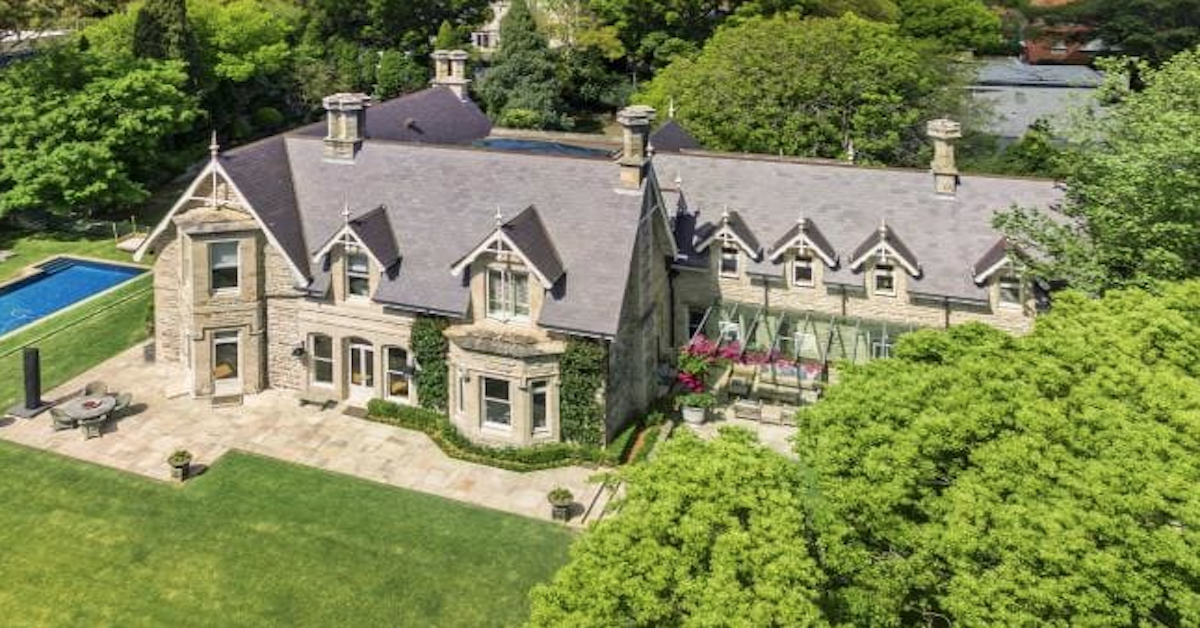
Walking through Bellevue Hill today, it is easy to overlook the layers of history beneath the tree-lined streets and grand homes. Among the suburb’s most enduring reminders of its past is Rona, a stately heritage house that has stood as a landmark for well over a century.
Rona holds a special place in the story of Bellevue Hill. Its presence speaks to a time when Sydney’s eastern suburbs were being shaped by new wealth, ambition and a desire to build homes that reflected both status and style.
Origins in a Growing Suburb
Rona was built in the late 1880s, a period when Bellevue Hill was emerging as a desirable address for Sydney’s growing professional class. The house was designed in a style that blended Victorian elegance with the kind of spacious planning suited to Sydney’s climate. The original owner was a prominent surgeon, reflecting the connection between the area’s early development and the city’s professional professionals.
The architect behind Rona was a respected designer of the era, who brought to the project a mastery of form and proportion that ensured the house would be admired for generations. Set within generous gardens, the property was designed with high ceilings, wide verandahs and large rooms that encouraged both family life and social entertaining.
As Bellevue Hill continued to grow, Rona remained one of its most notable homes. It was not only a private residence but also a visible sign of the suburb’s transition from semi-rural holdings to a neighbourhood defined by substantial houses and carefully planned gardens.
A Legacy of Preservation
Through changes in ownership and shifting tastes in architecture and design, Rona has retained much of its original character. This endurance is due in part to the value placed on heritage by successive owners and by the wider community in Bellevue Hill.
Over time, the house has been recognised for its architectural significance. It has become part of the cultural memory of the suburb, often admired by residents and visitors alike for its craftsmanship and its reflection of a bygone era.
Unlike many historic houses that have been altered beyond recognition, Rona has survived with a strong sense of its original identity. The retention of its key features has allowed it to stand as a tangible link to the late nineteenth century, when Sydney’s eastern suburbs were being reimagined by new residents seeking spacious homes away from the bustle of the city centre.
Rona and the Community
For many in Bellevue Hill, Rona is more than just a house. It is part of the fabric of the suburb, connected to local stories and memories. Long-time residents speak of the house as a fixture on the hilltop skyline, a reference point in neighbourhood life.
Its gardens and formal proportions set a tone for the street and serve as a reminder of the architectural ambitions that helped shape much of the eastern suburbs. Even for those who may never have stepped inside, the sight of Rona evokes a sense of tradition and continuity.
In a suburb where modern redevelopment and contemporary design continue to change the landscape, historic properties like Rona provide balance. They remind us where Bellevue Hill has come from and why heritage matters in a community that values both its present and its past.
Looking Back, Moving Forward
As Bellevue Hill evolves, Rona remains a reminder of the suburb’s early years. It tells a story of a growing city, of families and homes built to last, and of a community that recognises the importance of preservation.
For those interested in local history, exploring places like Rona can deepen an appreciation for the layers that make up Bellevue Hill. It stands not just as a house, but as a piece of living history, quietly connecting the past with the present.
Published 27-Dec-2025