




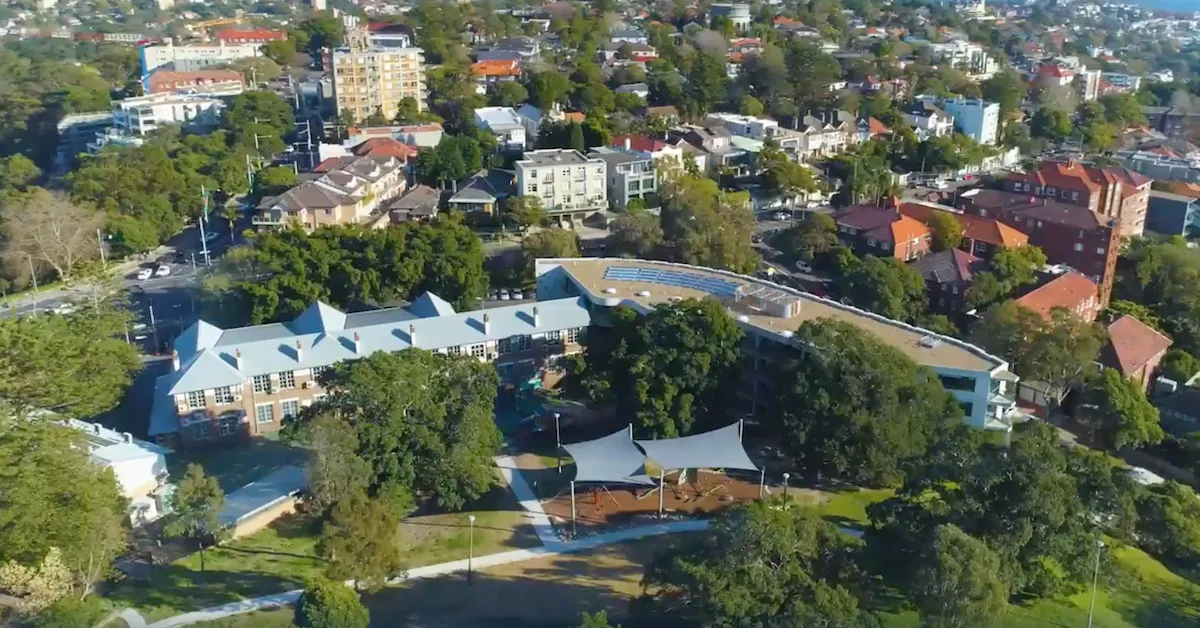
Bellevue Hill Public School was among 59 public schools selected for a major NSW air quality study examining the conditions students experience inside classrooms.
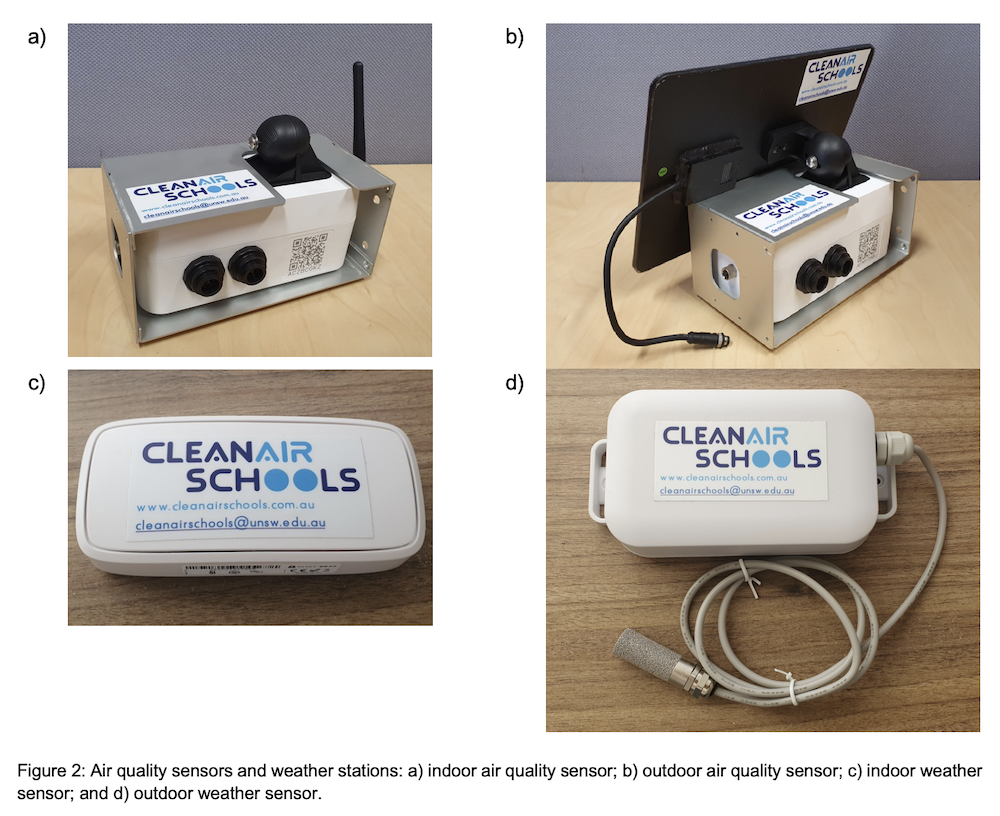
The school participated in the Clean Air Schools Program, a joint initiative between the NSW Department of Education and UNSW Sydney that monitored indoor and outdoor air quality between 2023 and 2025.
The final report examined carbon dioxide (CO₂), fine particulate matter (PM2.5) and nitrogen dioxide (NO₂) levels at schools across Sydney, Newcastle and Wollongong. Researchers collected air quality data from one classroom and one outdoor area at each participating school.
While the study identified 17 schools where the monitored classroom recorded carbon dioxide levels above the recommended 850 parts per million threshold for much of the school day, individual school results have not been publicly released. As a result, it is not known whether the classroom monitored at Bellevue Hill Public School was among those identified by researchers.
A school within Sydney’s busy Eastern Suburbs transport network
Bellevue Hill Public School is located within one of Sydney’s most densely populated and heavily travelled residential districts.
The school sits close to major Eastern Suburbs transport corridors, including Old South Head Road and New South Head Road, which carry significant commuter traffic between the city, Bondi Junction, Rose Bay, Vaucluse and the harbour foreshore suburbs.
The Clean Air Schools report found that pollution sources around schools are often highly localised, with traffic and industry among the factors that can influence outdoor air quality.
Researchers monitored outdoor nitrogen dioxide levels at selected schools as part of the study, noting that traffic emissions remain one of the most common sources of urban air pollution. While some schools exceeded long-term thresholds, the report found that elevated short-term pollution events were generally uncommon.
What researchers found across NSW schools
The study also found that most classrooms exceeded the recommended carbon dioxide threshold at some point during the day, although these exceedances were often short-lived.
Three schools — Condell Park High School, Hebersham Public School and Mayfield East Public School — consistently recorded carbon dioxide levels above 1000 parts per million throughout much of the school day.
Researchers concluded there was evidence that some NSW classrooms were exceeding levels considered optimal for student learning and health. Carbon dioxide is commonly used as an indicator of ventilation performance. Elevated levels do not necessarily mean a classroom is unsafe, but they can indicate that fresh air is not entering a room quickly enough.
The NSW Department of Education has stated that the report did not find that classrooms were unsafe and has begun follow-up assessments.
One classroom, one school
An important limitation of the study was that only a single classroom was monitored at each participating school. Researchers acknowledged this means the results may not be representative of conditions elsewhere on the same campus.
The report noted that understanding air quality across an entire school would require monitoring a wider range of classrooms over a longer period.
Ventilation emerged as a key finding
One of the strongest findings in the report was the role of classroom design and ventilation.
Researchers found classrooms with cross-ventilation — where windows can be opened on multiple sides of a room — generally recorded lower carbon dioxide levels than classrooms without cross-ventilation.
Schools participating in the NSW Government’s Cooler Classrooms Program also tended to record lower carbon dioxide levels than schools relying primarily on split-system air-conditioning.
The report found that classrooms without cross-ventilation and without Cooler Classrooms upgrades recorded the highest average carbon dioxide levels.
Researchers recommended accelerating the installation of mechanical filtered ventilation systems, particularly in schools identified as having consistently poor natural ventilation.
Published 10-June-2026

